


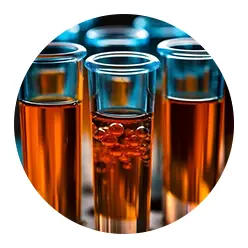
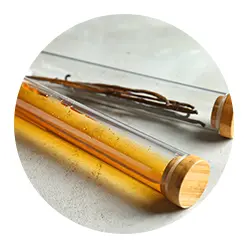
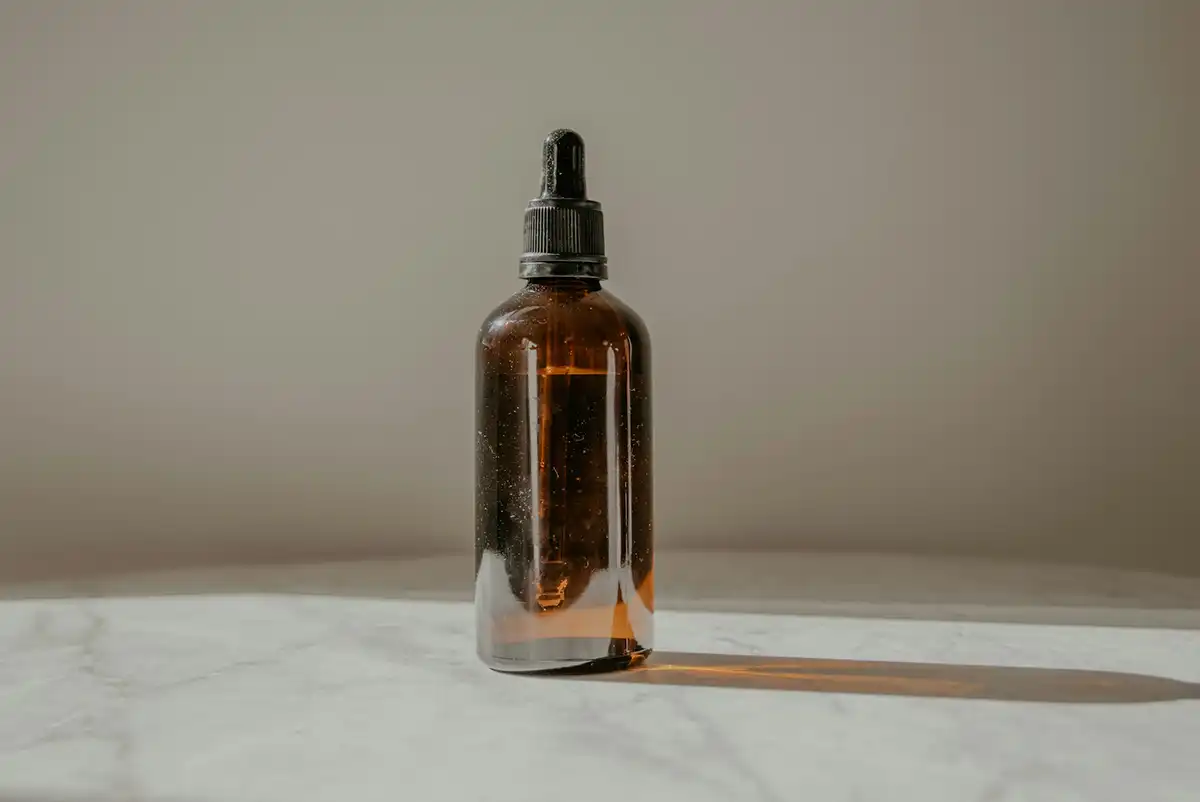
Clear glass offers visibility, while amber provides UV protection, so the right choice depends on your product’s light sensitivity, storage conditions, and branding priorities.
By Corey Knowles
Selecting the right dropper bottle color is a practical decision that directly affects product stability, shelf presentation, and customer perception. With decades of experience in manufacturing glass packaging, we’ve seen how this choice plays out across industries from cannabis to cosmetics.
Clear vs. Amber Dropper Bottles: What’s the Difference?
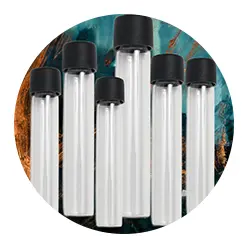
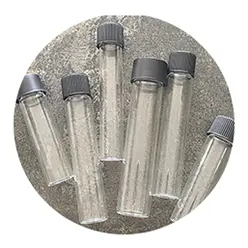
The core difference is visibility versus protection. Clear glass provides full product visibility, while amber glass reduces light exposure that can degrade certain formulations.
Both options are commonly used in glass dropper bottles, depending on how sensitive the contents are to light and how important visual presentation is to the brand.
When Is Product Visibility More Important Than Protection?
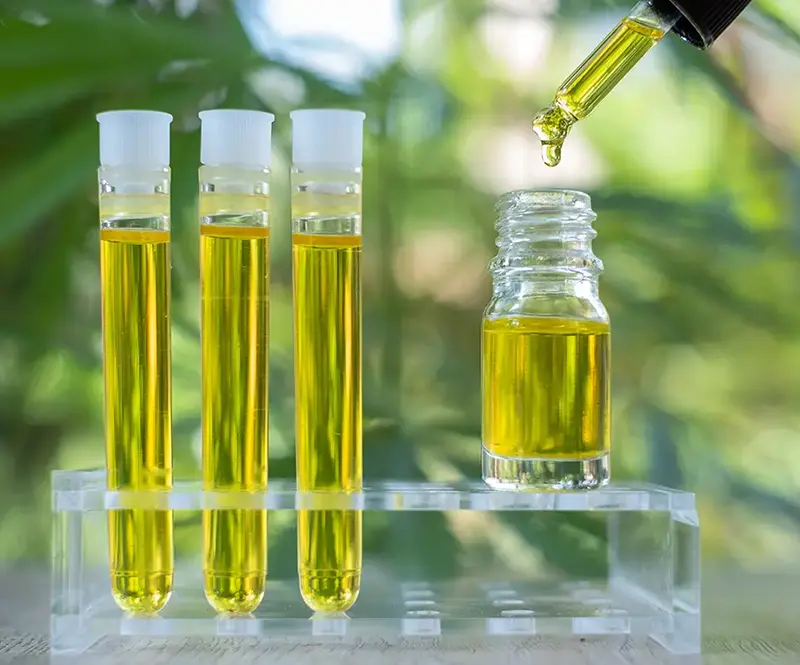
Visibility matters most when product appearance influences purchasing decisions. Clear glass is often preferred for products where color, clarity, or suspended ingredients are part of the value proposition.
In retail environments, being able to see the product can improve customer confidence and differentiate premium formulations.
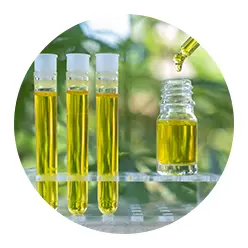
Do UV Rays Really Impact Oils and Extracts?
Yes, UV exposure can alter certain oils, extracts, and active ingredients over time. Light can trigger chemical changes that affect potency, aroma, or consistency.
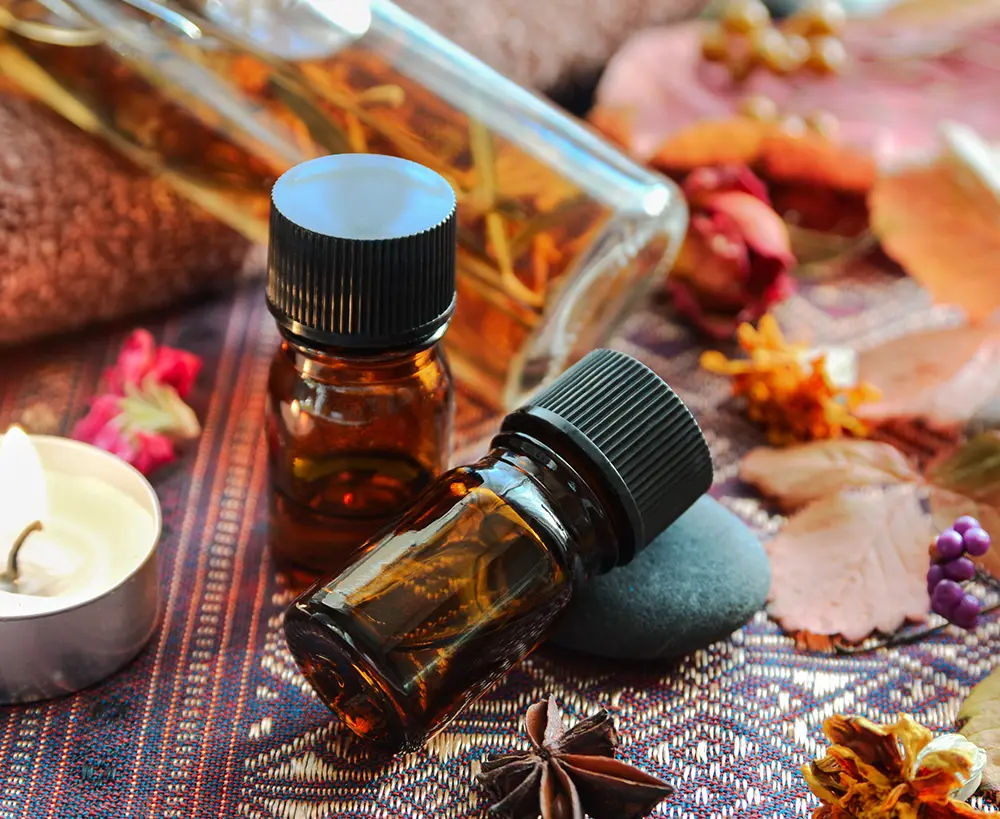
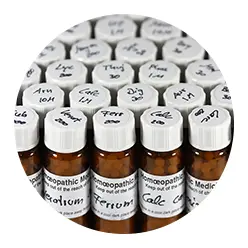
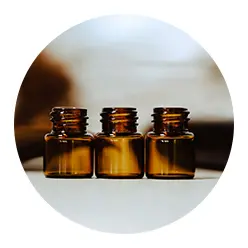
Amber glass helps reduce this exposure by filtering portions of the light spectrum, making it a practical choice for light-sensitive formulations.
Which Industries Prefer Clear vs. Amber—and Why?
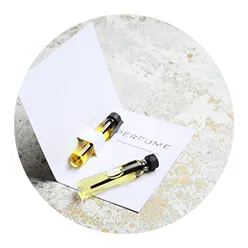
Clear glass is commonly used in cosmetics and fragrance applications where visual appeal is critical. Amber is more frequently selected for essential oils, cannabis extracts, and formulations where stability is a priority.
Each industry balances presentation and protection differently based on product composition and end-use conditions.
Will Clear Glass Shorten Product Shelf Life?
It can, depending on the formulation. Products exposed to consistent light may degrade faster in clear glass compared to amber.
Manufacturers should evaluate how long the product will sit under retail lighting or in consumer environments before making a final decision.
Do Storage Conditions Change Your Bottle Choice?
Yes, storage conditions play a major role. Products stored in controlled, low-light environments may perform well in clear glass.
However, if products are exposed to sunlight or strong artificial lighting during distribution or retail display, amber glass offers an added layer of protection.
Does Bottle Color Influence Customer Perception?
Bottle color directly impacts how customers perceive quality and function. Clear glass often signals transparency and premium presentation, while amber suggests protection and product integrity.
The choice should align with how you want your product to be understood at first glance.
Can Secondary Packaging Replace Amber Glass?
Secondary packaging can help reduce light exposure, but it does not fully replace the benefits of amber glass. Boxes or labels may limit light during shipping, yet products are often removed from packaging during use.
For products that remain sensitive throughout their lifecycle, amber glass provides more consistent protection.
Are There Cost Differences Between Clear and Amber?
Cost differences are typically minimal at scale and should not be the primary decision factor. The more important consideration is how well the packaging supports product performance and brand positioning.
Long-term product stability often outweighs small upfront cost variations.
How Do You Test If Your Formula Needs UV Protection?
Testing involves exposing the product to light over time and evaluating any changes in color, potency, or composition. Controlled stability testing helps determine whether light exposure impacts performance.
This step is especially important for new formulations or products entering extended distribution channels.
What Common Mistakes Happen When Choosing Bottle Color?
A common mistake is prioritizing appearance without considering product sensitivity. Another is assuming all formulations behave the same under light exposure.
Manufacturers should base decisions on actual product behavior rather than trends or assumptions.
How Do You Choose a Trusted U.S. Glass Manufacturer?
Look for a manufacturer with consistent production processes, quality control systems, and a long track record. At Acme Vial and Glass Co, Inc., we’ve been manufacturing glass packaging in the United States since 1942, serving a wide range of industries with reliable, precision-formed products.
Experience matters when consistency, dimensional accuracy, and long-term supply are critical to your operation.
Conclusion
Choosing between clear and amber dropper bottles comes down to balancing product protection with presentation and real-world storage conditions. If you need help evaluating the right option for your application, explore our full range of glass dropper bottles to find a solution that fits your product and process.
About the Author
Corey Knowles is the General Manager of Acme Vial & Glass, Co.