






Precise liquid dispensing is critical for many formulations, and dropper bottles with pipettes give manufacturers reliable control over dosing, consistency, and product protection.
By Corey Knowles
Manufacturers in cannabis, essential oils, skincare, and cosmetic production depend on precise liquid handling. Small variations in dosing can affect product performance, user experience, and regulatory compliance. Dropper bottles with pipettes provide a reliable solution, enabling controlled dispensing at the drop level. With the right glass container and properly engineered dropper components, brands can maintain consistency from production through end use.
At Acme Vial & Glass, we have been manufacturing precision glass containers in the United States for more than eighty years. Our experience converting glass tubing into high-quality vials and bottles has shown the critical role of dimensional consistency in liquid dispensing systems. Reliable packaging begins with well-formed glass bottles and properly matched dropper components, including the bulb, cap, and pipette.
What Is a Dropper Bottle with Pipette and How It Enables Precise Liquid Dosing
A dropper closure consists of three primary components: the bulb, cap, and pipette, which are paired with a compatible glass bottle for controlled liquid dispensing. When the bulb is compressed and released, the pipette draws liquid into the tube. Controlled pressure on the bulb then dispenses the liquid drop by drop.
For manufacturers producing concentrated formulations, this mechanism provides more accurate control than pouring methods. The dropper limits the amount dispensed at one time and allows the user to measure liquids incrementally.
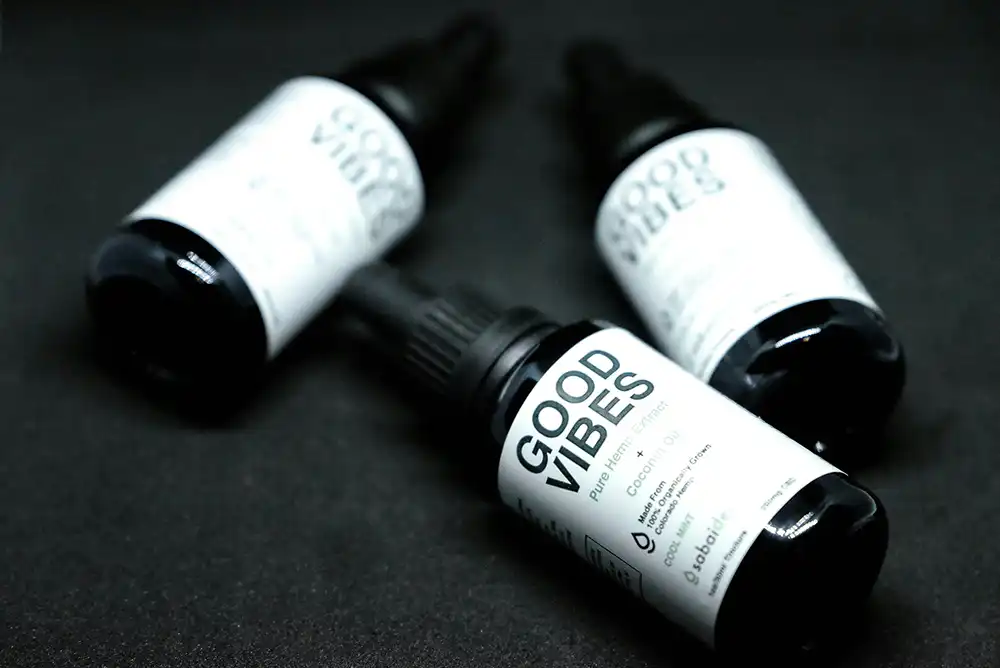
Many brands rely on dropper bottles with dropper closures for applications such as tinctures, cosmetic serums, and essential oils. These products often require precise dosing that can be consistently repeated across thousands of uses.
Dropper bottle sizes also influence dosing behavior. Common capacities such as 1 dram (4 ml), 2 dram (8 ml), 10 ml, 15 ml (4 dram), and 30 ml (8 dram) allow manufacturers to match bottle volume to dosage requirements and product concentration.
Why Manufacturers Choose Pipette Droppers Over Pour Spouts or Orifice Reducers
Several closure styles control liquid flow, including pour spouts and orifice reducers. Each has a role in packaging, but pipette droppers offer advantages when precise dosing is required.
Pour spouts deliver larger volumes quickly and are better suited for low-viscosity liquids where exact measurement is less critical. Orifice reducers restrict flow but rely on gravity and bottle angle, which can produce inconsistent drop sizes.
Dropper closures with bulb, cap, and pipette components give users greater control over the dispensing process. The pipette draws a measured volume into the tube, allowing the user to apply drops one at a time. This method supports controlled application for concentrated liquids where dosing accuracy matters.
Manufacturers of cannabis tinctures, essential oils, and skincare concentrates often select pipette droppers because they reduce the risk of accidental over-dispensing.
Consistency in Both Small-Batch and High-Volume Filling Operations
Consistency is a primary concern during filling and packaging. A dropper system performs reliably only when the bottle dimensions and neck finish are formed with precision.
At Acme Vial, our containers are produced through tubing conversion, where glass tubing is heated and formed using flame-working machinery to create the body, neck, and bottom of each vial. Controlled heating and forming ensure consistent wall thickness, neck diameter, and structural integrity.
These dimensional tolerances are critical for dropper compatibility. A properly formed neck allows the dropper cap assembly to seal correctly and maintain a predictable pipette depth inside the bottle.
Manufacturers running automated or semi-automated filling lines benefit from this consistency. Uniform bottles feed smoothly through the equipment and ensure droppers align correctly with each container.
Product Types That Benefit Most from Pipette Dropper Bottles
Several industries rely on pipette droppers because their formulations require precise dosing.
Cannabis Extracts and Tinctures
Cannabis tinctures are highly concentrated and often require measured servings. Pipette droppers allow consumers to dispense drops directly under the tongue or into beverages.
Essential Oils and Aromatherapy Products
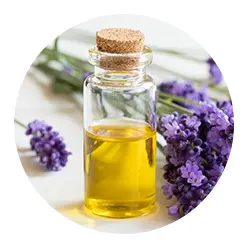
Essential oils are commonly dispensed in small quantities. Pipette droppers help users avoid wasting expensive oils while maintaining controlled application.
Skincare and Cosmetic Serums
Cosmetic formulations such as retinol serums or facial oils require careful dosing to prevent excessive application. Pipettes provide controlled delivery that aligns with product instructions.
Acme Vial has served customers across these industries for decades, supplying glass containers used by aromatherapy brands, cosmetic manufacturers, research labs, and specialty product companies worldwide.
Viscosity and Liquid Thickness Influence Dropper Performance
Liquid viscosity plays a significant role in dropper performance. Thin liquids flow quickly and form smaller droplets, while thicker liquids move more slowly through the pipette.
Manufacturers should evaluate how their formulation behaves inside the pipette tube. Highly viscous oils may require wider pipette openings to maintain consistent dispensing.
For thinner liquids, narrower pipettes help maintain drop control and prevent excess flow. Matching the pipette design to product viscosity ensures predictable drop formation and a consistent user experience.
Organizations such as the U.S. Pharmacopeia emphasize controlled dosing in liquid formulations because consistency directly affects product performance and safety.
Design Features That Control Drop Size and Prevent Waste
Several design elements determine how effectively a dropper dispenses liquid:
Pipette Diameter
A narrow internal diameter slows liquid flow and produces smaller drops. This is beneficial for concentrated formulations.
Pipette Length
The pipette must reach near the bottom of the bottle to allow full product extraction. Incorrect lengths leave unused liquid in the container.
Bulb Elasticity
Rubber bulb strength affects suction and release pressure. A well-designed bulb provides smooth control and repeatable drop formation.
When these elements are engineered correctly, manufacturers can significantly reduce product waste.
Dropper Bottle Sizes and Their Impact on User Control
Bottle size influences both dosing accuracy and consumer convenience.
Smaller containers, such as 4 ml or 8 ml bottles, are commonly used for concentrated products that require only a few drops per use. Medium sizes such as 10 ml and 15 ml are popular in essential oil and skincare formulations.
Larger 30 ml bottles offer greater capacity while still enabling controlled dispensing with pipettes. These sizes are widely used for tinctures and cosmetic serums.
Choosing the correct bottle size ensures that the dropper length, bottle neck, and pipette capacity function together effectively.
Dispensing Problems That Occur Without Pipette Droppers
When manufacturers rely on uncontrolled dispensing methods, several issues can occur:
- Over-dispensing and product waste
- Inconsistent dosing from one use to the next
- Difficulty applying liquids to small areas
- Increased risk of contamination when liquid contacts external surfaces
These problems become more significant with concentrated formulations where small dosing differences can affect product results.
Preventing Contamination in Dropper Bottle Systems
Maintaining product purity requires proper handling and packaging design.
Glass containers provide a stable, chemically resistant surface that does not interact with most formulations. Proper closures also protect against external contamination.
Some manufacturers implement tamper-resistant or child-resistant closures when packaging regulated products such as cannabis extracts. Packaging systems designed with secure closures help ensure products remain protected throughout storage and use.
Mistakes Brands Make When Selecting Dropper Components
Several common mistakes can compromise dropper performance:
- Selecting pipettes that are too short for the bottle
- Choosing bulb materials incompatible with certain oils or solvents
- Ignoring viscosity when determining pipette diameter
- Using bottles with inconsistent neck finishes
These issues often lead to leakage, irregular drop sizes, or difficulty drawing liquid into the pipette.
Manufacturers should evaluate bottle specifications and closure compatibility before committing to large production runs.
Evaluating a Supplier for Precision Glass Manufacturing
Dropper accuracy depends on the quality of the glass container supporting the system. Variations in neck dimensions, wall thickness, or bottle height can disrupt dropper performance.
When evaluating a supplier, manufacturers should consider:
- Manufacturing experience with tubular glass
- Dimensional consistency across production runs
- Quality inspection processes
- Ability to support both stock and custom packaging requirements
Acme Vial has been manufacturing tubular glass containers since 1942. Our production facility forms glass tubing into precision vials using controlled heat, mechanical forming, and thorough inspection to ensure dimensional accuracy and durability.
Precision Packaging Starts with the Right Dropper Bottle
For products that require accurate liquid dispensing, pipette droppers remain one of the most reliable packaging solutions available. Their ability to deliver controlled drops helps manufacturers maintain product consistency, reduce waste, and provide users with a better dosing experience.
Selecting the right container and the right dropper closure components, including the bulb, cap, and pipette, is essential. Manufacturers who require consistent, precision-formed packaging can review our full range of glass dropper bottles to find dependable solutions for cannabis, essential oil, skincare, and cosmetic formulations.
About the Author
Corey Knowles is the General Manager of Acme Vial & Glass, Co.