








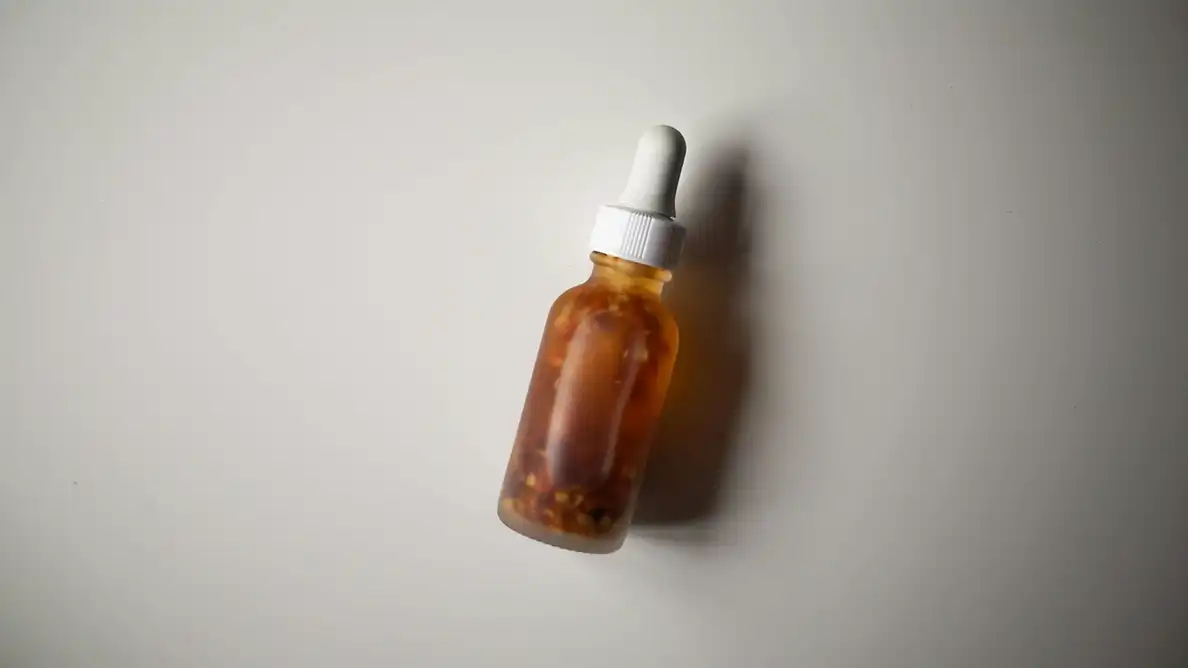
How to control costs, protect quality, and secure a reliable supply when purchasing dropper bottles at wholesale volumes.
By Corey Knowles
When manufacturers buy dropper bottles in volume, pricing is only one piece of the equation. Long-term cost control depends on consistency, lead times, dimensional accuracy, and a supplier that understands regulated and precision-driven products. We see this every day at Acme Vial, and it is why smart wholesale purchasing starts with more than a quote.
Understanding Wholesale Pricing Tiers and Volume Discounts
Wholesale pricing is based on quantity breaks, but not all tiers are created equal. True factory-direct pricing removes layers of markup and allows volume discounts to scale predictably as order sizes increase. When purchasing dropper bottles wholesale, buyers should confirm that pricing reflects direct manufacturing rather than reseller inventory. Transparent tier structures also make repeat ordering easier, especially for growing product lines that need reliable cost forecasting.
Comparing Stock Dropper Bottles Versus Custom Configurations
Stock dropper bottles are ideal when speed and immediate availability matter. Custom configurations become cost-effective at higher volumes and allow tighter control over fill volumes, label panels, and closure fit. With tubing-based manufacturing, customization often reaches price parity with stock parts sooner than expected. Buyers evaluating glass dropper bottles wholesale options should weigh not only unit price but also how well the bottle supports branding, filling equipment, and downstream packaging efficiency.
Evaluating Glass Types for Oils, Concentrates, and Liquid Formulations
Glass selection directly impacts product stability and customer experience. Borosilicate glass is commonly used for oils and concentrates that demand clarity and consistency, while soda-lime glass can be appropriate for other liquid formulations. Standards referenced by organizations such as the United States Pharmacopeia help guide expectations for glass performance in terms of chemical resistance and dimensional consistency. Choosing the right material upfront reduces rejection rates when ordering glass dropper bottles in bulk and keeps production running smoothly.
Closure Options, Droppers, and Compatibility Considerations
A dropper bottle performs only as well as its closure. Pipette length, bulb material, and thread compatibility must align with the bottle finish to ensure proper sealing and accurate dispensing. Mismatched components create leaks, inconsistent dosing, and costly rework. When sourcing dropper bottles with a pipette, dimensional control across both glass and closure components is critical, especially for regulated products where consistency is non-negotiable.
Lead Times, Inventory Availability, and Supply Consistency
Wholesale buyers should look closely at where and how their bottles are produced. Domestic manufacturing provides tighter control over production schedules and avoids the uncertainty of overseas transit delays. Maintaining inventory on core sizes also shortens lead times for repeat orders. For manufacturers relying on dropper bottle wholesale supply, consistency is what protects launch schedules and prevents interruptions in filling operations.
Quality Control Standards and Dimensional Consistency
Tubing-based vial manufacturing allows precise control over wall thickness, neck finish, and overall dimensions. Each production run should be inspected for cosmetic defects and dimensional accuracy before shipment. This level of control ensures closures fit properly and filling lines stay calibrated. Buyers sourcing wholesale glass dropper bottles should confirm that quality systems are in place to maintain uniformity from order to order.
Freight Costs, Packaging, and Breakage Prevention
Freight is a hidden cost that adds up quickly at wholesale volumes. Proper packaging, shrink-wrapping, and palletization reduce breakage and protect dimensional integrity during transit. Domestic shipping also shortens travel distances and simplifies logistics. When evaluating bulk glass dropper bottles, packaging methods are just as important as the bottles themselves in protecting total landed cost.
Long-Term Cost Savings Through Supplier Relationships
The best wholesale pricing often comes from consistency, not one-time orders. Long-term relationships allow manufacturers to forecast demand, stabilize pricing tiers, and prioritize production slots. Over time, repeat orders reduce administrative costs and improve supply predictability. Buyers who treat bulk purchasing for dropper bottles as a partnership rather than a transaction gain measurable advantages as their brands scale.
Conclusion
Finding the best deals on dropper bottle wholesale purchases means balancing price, performance, and reliability. We have spent more than 80 years manufacturing glass packaging in the United States, and we understand how these factors work together. When you are ready to secure dependable pricing, consistent quality, and responsive lead times, our glass dropper bottles provide a practical foundation for long-term success.
Corey Knowles is the General Manager of Acme Vial & Glass, Co.