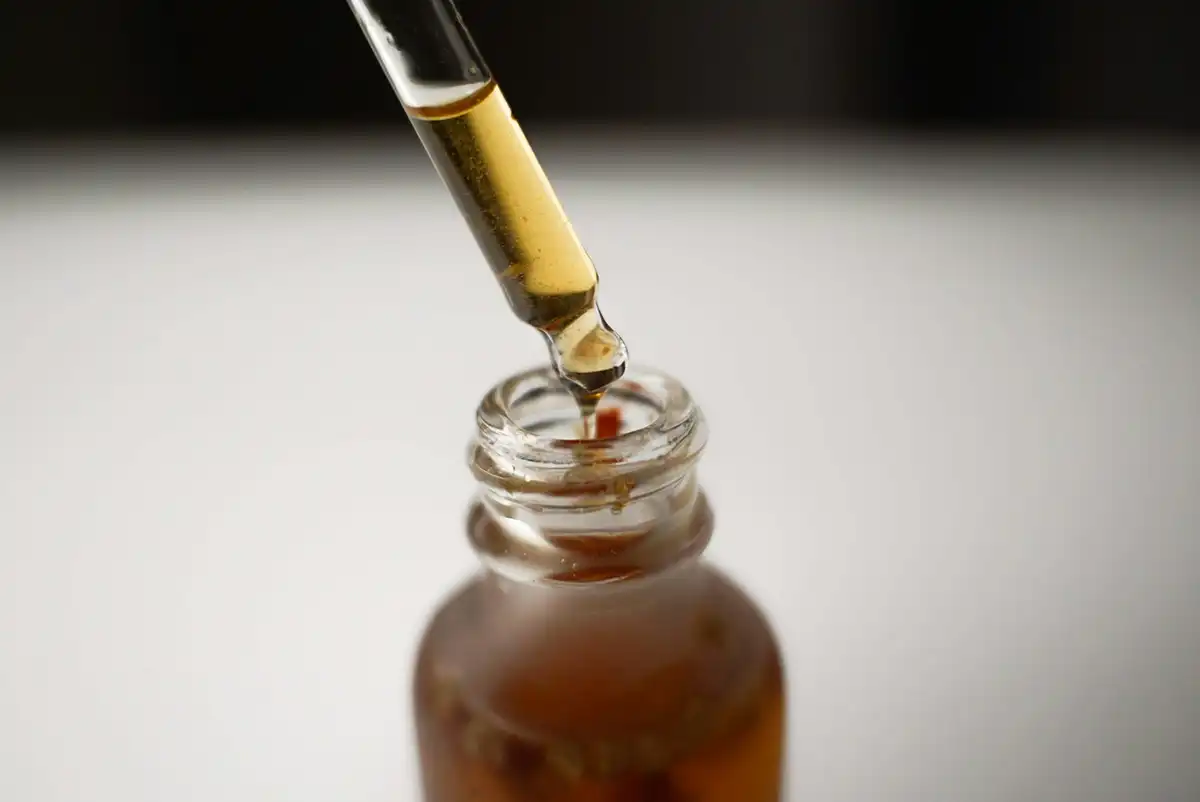
Dropper bottles enable precise dosing, cleaner workflows, and differentiated product experiences across industries from skincare to food, labs, and pet care.
By Corey Knowles
Dropper bottles have moved far beyond basic liquid packaging. Across multiple industries, manufacturers rely on controlled dispensing, product integrity, and user-friendly application to create better-performing products and stronger customer loyalty.
How Are Dropper Bottles Used for Micro-Dosing?
Dropper bottles deliver accurate, repeatable micro-doses by controlling liquid volume through calibrated pipettes. This precision supports consistent experiences in cannabis tinctures, supplements, and essential oils where dosage variability affects outcomes.
Graduated droppers help standardize serving sizes, reducing overuse and product waste while supporting compliance with dosing expectations.
Where Do Dropper Bottles Fit in Multi-Step Skincare?
Dropper bottles separate active ingredients into controlled applications that align with layered skincare routines. Serums, oils, and boosters benefit from targeted dispensing that avoids contamination between uses.
Packaging sensitive formulations in glass dropper bottles helps maintain stability while allowing users to control the application volume at each step.
Can Dropper Bottles Improve Sampling and Trials?
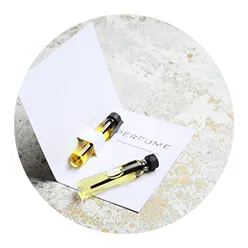
Dropper bottles make sampling more effective by offering controlled, multi-use trial formats instead of single-use sachets. This allows customers to experience a product across multiple applications, thereby increasing conversion potential.
Small-format droppers also support premium positioning for sample kits, especially in cosmetics and fragrance.
How Are Dropper Bottles Used in Lab Work?
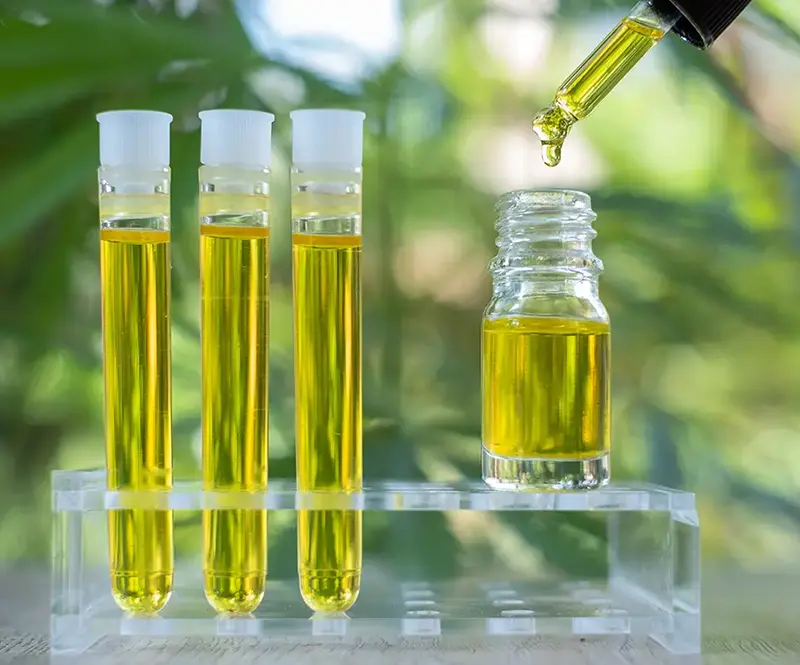
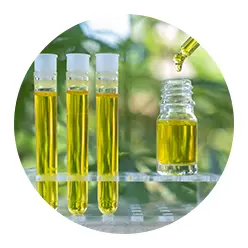
Laboratories use dropper bottles for reagent handling, sample transfers, and controlled chemical dispensing. The design minimizes exposure and improves repeatability in small-volume workflows.
Standards from organizations like NIST emphasize measurement accuracy, which aligns with the precision dispensing capabilities of droppers.
Are Dropper Bottles Suitable for Food and Flavoring?
Dropper bottles are well-suited for flavor extracts, bitters, and concentrated additives that require small, controlled doses. Food-grade materials and proper sealing ensure product safety and consistency.
Regulatory frameworks from the FDA define safe handling and packaging expectations, making controlled dispensing systems especially valuable for concentrated ingredients.
How Do Dropper Bottles Support DIY Blending?
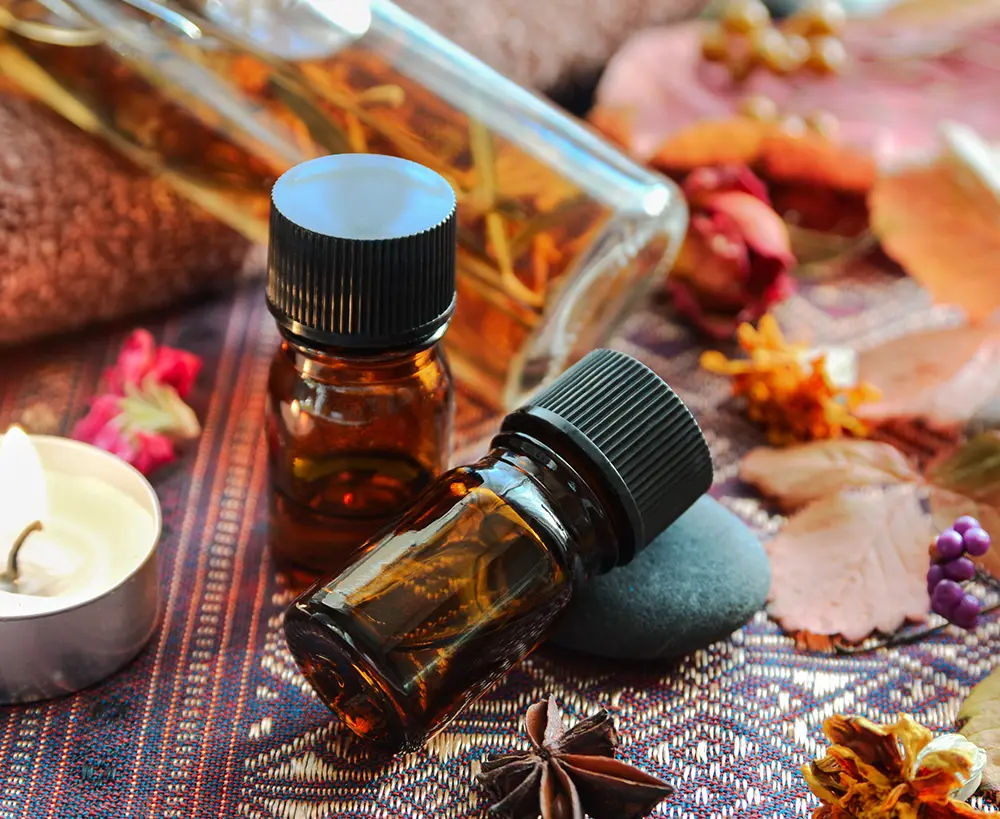
Dropper bottles enable precise blending of oils, fragrances, and custom formulations by allowing users to measure and mix in small increments. This is especially useful in aromatherapy and hobbyist product creation.
Clear labeling and consistent drop size improve repeatability, helping users recreate successful blends without guesswork.
What Makes Dropper Bottles Travel-Friendly?
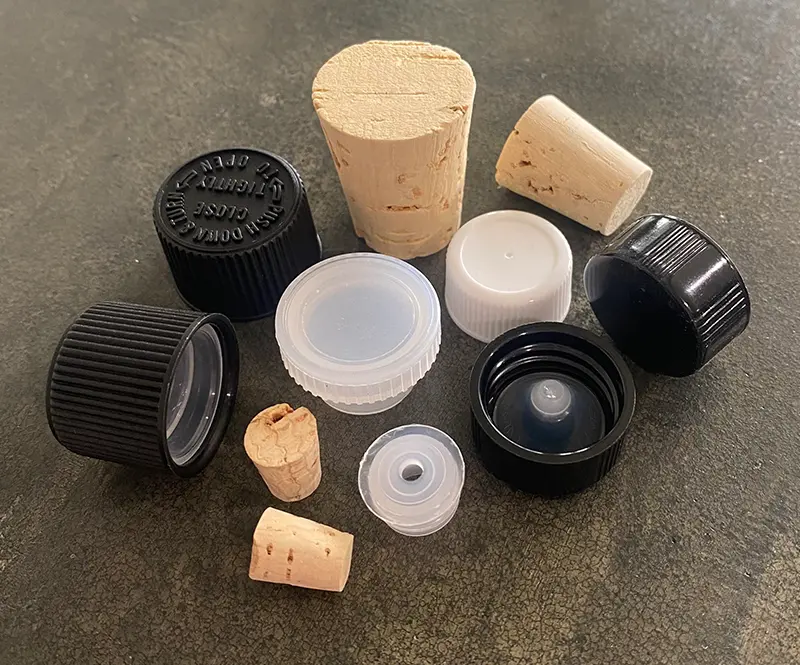
Dropper bottles reduce spills and leaks through tight closures and controlled dispensing mechanisms. Compact sizes make them ideal for travel kits across cosmetics, supplements, and personal care.
Secure caps and durable glass construction protect contents during transport while maintaining usability on the go.
How Are Dropper Bottles Used in Pet Products?
Dropper bottles allow accurate dosing for pet supplements, CBD products, and liquid medications. Controlled delivery helps pet owners administer consistent amounts based on weight or veterinary guidance.
Ease of use improves compliance, especially for animals that resist traditional dosing methods.
What Mistakes Cause Waste with Droppers?
Common waste issues include inconsistent squeeze pressure, poorly fitted pipettes, and incorrect viscosity matching. These factors lead to overdispensing or product loss inside the dropper.
Matching the dropper design to the liquid thickness and ensuring proper assembly reduce these inefficiencies.
Can Dropper Bottles Be Tamper-Evident?
Yes, dropper bottles can incorporate tamper-evident closures that provide visible proof of first use. This builds consumer trust and supports regulatory expectations in sensitive industries.
Sealed systems also protect product integrity during shipping and storage.
How Do You Ensure Sterility with Droppers?
Sterility depends on material selection, manufacturing controls, and proper handling during filling. Glass components withstand sterilization processes such as autoclaving, which aligns with guidance from organizations like the CDC.
Controlled environments and validated cleaning procedures further reduce contamination risks.
How Do Suppliers Prove Quality and Traceability?
Reliable suppliers document production processes, material sourcing, and inspection protocols to ensure consistent quality. Traceability systems allow manufacturers to track batches from raw material through final packaging.
At Acme Vial, precision tubing conversion, controlled heating, and thorough inspection support consistent performance across every dropper component .
Conclusion
Dropper bottles create measurable advantages across dosing accuracy, product protection, and user experience. From lab applications to skincare, food, and pet care, controlled dispensing supports better outcomes and stronger brand differentiation.
Manufacturers seeking dependable performance can rely on our expertise in producing precision glass components designed for these demanding applications. Review available options for glass dropper bottles to support your next product line.
About the Author
Corey Knowles is the General Manager of Acme Vial & Glass, co.